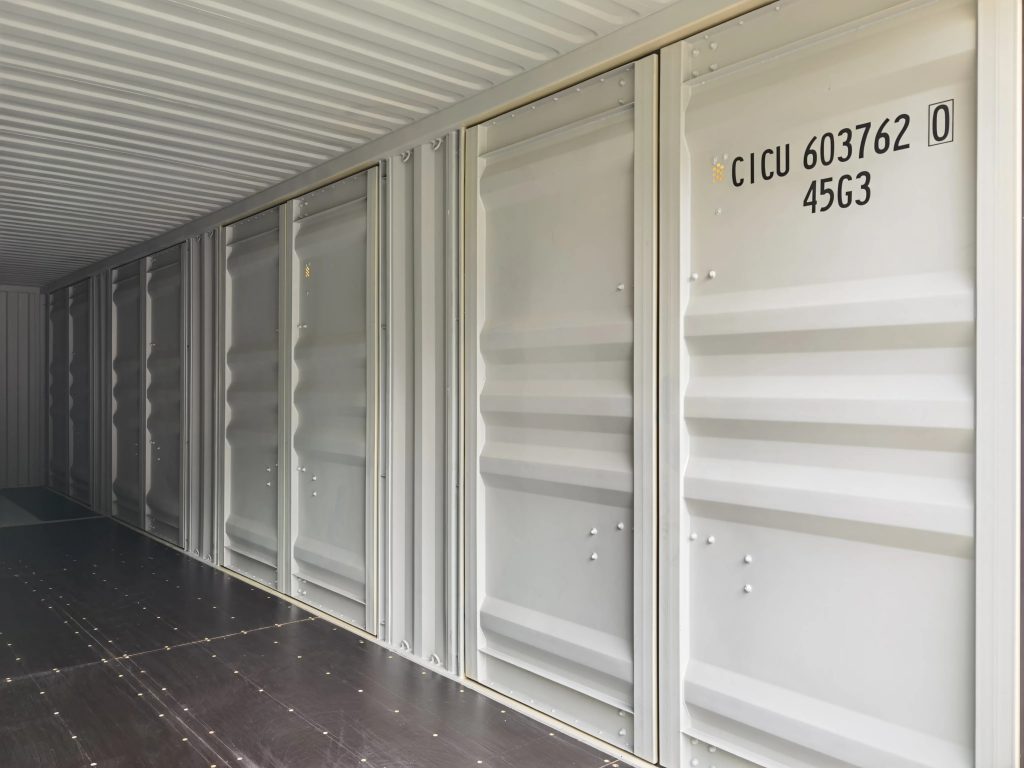
Understanding 45-Foot Containers: An Essential Guide for Shipping and Storage
In an interconnected world where logistics are crucial for trade, comprehending shipping containers has actually never been more essential. Amongst the different container sizes offered, the 45-foot container typically gathers interest due to its special specs and adaptability. This article explores the features, advantages, uses, and regularly asked questions relating to 45-foot containers.
What is a 45-Foot Container?
A 45-foot container is a basic intermodal shipping container that's somewhat longer than the more typical 40-foot container. This extra length supplies additional capacity, making it an appealing option for both shipping items internationally and storing products.
Dimensions and Specifications
Comprehending the specs of the 45-foot container is important for those thinking about shipping and storage. Below are the normal dimensions and requirements:
| Specification | Measurement |
|---|---|
| External Length | 45 ft (13.72 m) |
| External Width | 8 ft (2.44 m) |
| External Height | 9.5 ft (2.9 m) |
| Internal Length | 44.5 ft (13.56 m) |
| Internal Width | 7.7 ft (2.31 m) |
| Internal Height | 8.5 ft (2.59 m) |
| Maximum Payload | 30,000 kg (66,139 lbs) |
| Tare Weight | Approximately 3,700 kg (8,164 pounds) |
| Volume | 2,670 cubic feet (75.6 cubic meters) |
These requirements can differ slightly based on the producer and type of container, so it's a good idea to check the specific measurements before choosing.
Benefits of Using 45-Foot Containers
Utilizing 45-foot containers provides a number of advantages over smaller sized containers. Below are some advantages to consider:
- Increased Capacity: The primary advantage of a 45-foot container is its larger capacity. It can hold more goods than a basic 40-foot container, making it perfect for bigger deliveries.
- Cost-Effectiveness: Transporting larger shipments in one container can result in lower shipping costs per unit, making it more economical for organizations.
- Adaptability: These containers can be used for numerous purposes, including shipping, storage, and even conversion into modular homes or offices.
- Improved Security: With a robust design and locking systems, 45-foot containers provide a protected environment for prized possessions and delicate materials.
- Schedule of Refrigerated Options: Some 45-foot containers are offered in cooled versions, ideal for transferring temperature-sensitive goods.
Typical Uses for 45-Foot Containers
The adaptability of 45-foot containers indicates that they can be used in different markets and applications. Here are some common usages:
- International Shipping: Transport bulk goods across oceans effectively.
- Building Sites: Use as on-site storage for devices and materials.
- Retail and Delivery: Deliver big amounts of merchandise to retail chains.
- Modular Housing: Convert into livable areas, workplaces, or classrooms.
- Occasion Storage: Store devices and materials for events like celebrations and fairs.
Things to Consider
When choosing a 45-foot container, there are several elements to consider:
- Purpose: Determine whether the container will be used for shipping or storage.
- Local Regulations: Check zoning laws and shipping guidelines in your region.
- Transport Method: Ensure compatibility with your chosen mode of transportation (trucks, ships, etc).
- Container Condition: Evaluate if you need a new or used container, depending upon your budget plan and intended use.
- Gain access to and Space: Ensure adequate access for shipment and sufficient space to put the container safely.
Regularly Asked Questions (FAQs)
1. Just how much does a 45-foot container cost?
The cost of a 45-foot container varies considerably depending upon factors like condition (brand-new vs. used), adjustments, and the seller. Typically, prices can vary from ₤ 5,000 to ₤ 10,000 for a used container and can go beyond ₤ 15,000 for a brand-new one.
2. What kinds of goods can be delivered in a 45-foot container?
Practically any type of products can be delivered, but the most common items consist of commercial materials, electronics, clothes, and food items. Refrigerated containers are ideal for disposable products.
3. How many standard pallets suit a 45-foot container?
Normally, a 45-foot container can accommodate about 26 basic pallets when packed efficiently, depending upon the cargo's height and arrangement.
4. Can I modify a 45-foot container?
Yes, 45-foot containers can be modified for numerous uses like developing doors, windows, insulation, and ventilation, transforming them for special applications.
5. What is the distinction between a 45-foot dry container and a 45-foot cooled container?
A 45-foot dry container is designed for basic cargo, while a cooled container (reefers) is equipped with temperature-control capabilities, making it appropriate for disposable goods.
The 45-foot container represents an exceptional option for companies and people needing additional space for shipping or storage. Its flexibility, sturdiness, and cost-effectiveness make it an ideal choice in today's requiring market. Whether 45 Shipping Container carrying goods worldwide or searching for safe and secure on-site storage, comprehending the advantages and functions of 45-foot containers can improve decision-making. By examining your needs and leveraging the distinct advantages these containers provide, you can optimize your logistics procedure, enhance your organization operation, and attain your objectives effectively.